Project goal

Project goal

Shoot the train's driving scenes in-camera — believable landscape, light and reflections moving past the windows on both sides, with no green screen or separate plate process. The challenge was doing it in a tight, complicated space with a real train carriage in the middle, where one wall had to move to reach the angles a fixed volume couldn't. On top of that, the same LED package had to flex into a smaller car setup for a few days and convert straight back, without costing the production any shooting time.

Shoot the train's driving scenes in-camera — believable landscape, light and reflections moving past the windows on both sides, with no green screen or separate plate process. The challenge was doing it in a tight, complicated space with a real train carriage in the middle, where one wall had to move to reach the angles a fixed volume couldn't. On top of that, the same LED package had to flex into a smaller car setup for a few days and convert straight back, without costing the production any shooting time.

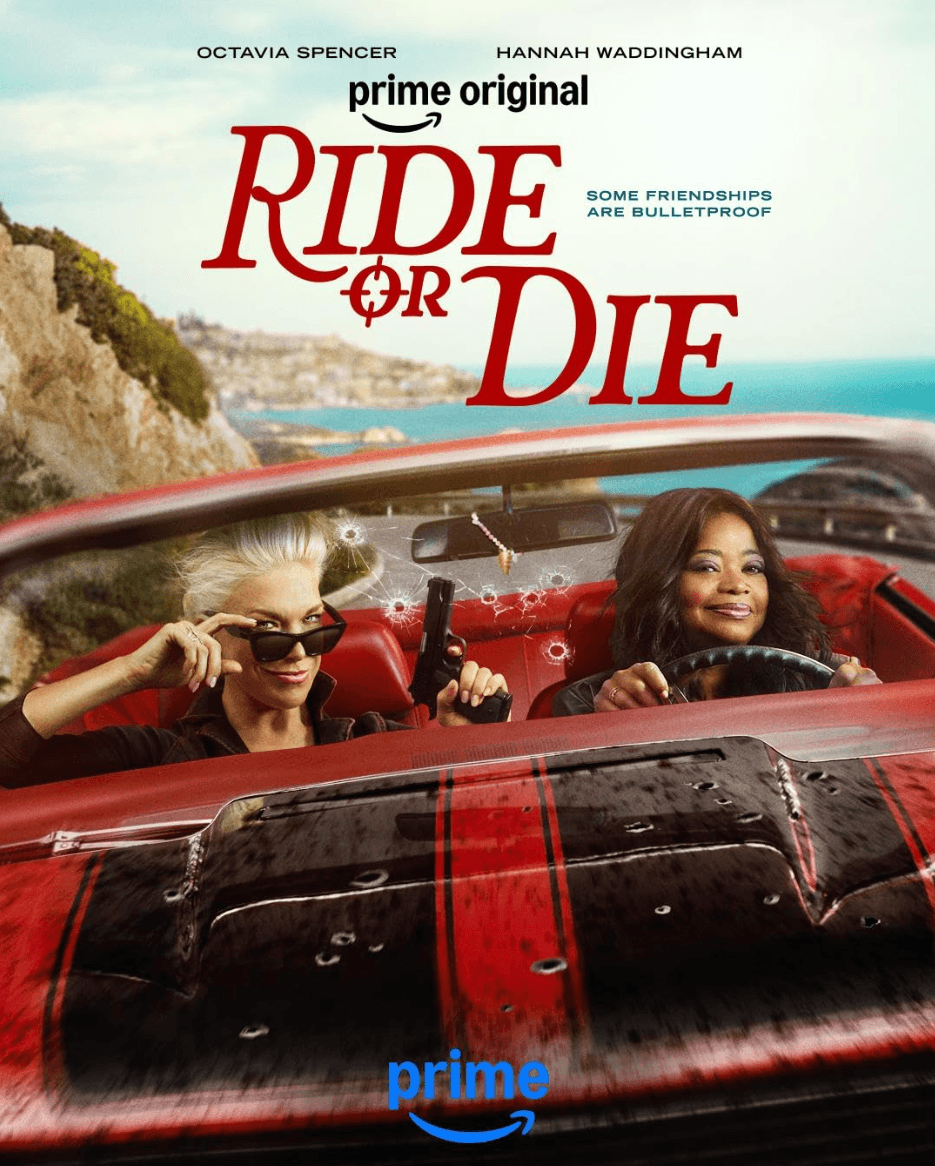
RIDE OR DIE POSTER

Mission

Mission

We acted as the project’s technical directors, connecting LED walls, servers, and playback into one seamless system. Our team managed and monitored the entire workflow, delivering content directly to LED in real time.

This is how

This is how

we approach this

we approach this

1

Plan

planned a two-wall LED volume around the train, one wall movable

2

Rig

built and rigged both walls, including the movable Wild Wall

3

Calibrate

tuned color, brightness and the Wild Wall's positions

4

Operate

ran VP on set, reconfigured for the car scene and back

Built to Be Seen

3D models

  • RIDEORDIE
  • RIDEORDIE
  • RIDEORDIE

Impact

Impact

The team shot final, in-camera images straight off the LED — accurate interactive light on the cast and the train, real reflections in the windows and bodywork, and a moving background that held up from every angle. Because one wall was movable and the whole rig was reconfigurable, a single LED package covered both the train scenes and a separate car scene, then switched back, with zero lost shooting days. What would usually mean two separate builds or heavy VFX cleanup became one flexible volume that kept the camera rolling.

The team shot final, in-camera images straight off the LED — accurate interactive light on the cast and the train, real reflections in the windows and bodywork, and a moving background that held up from every angle. Because one wall was movable and the whole rig was reconfigurable, a single LED package covered both the train scenes and a separate car scene, then switched back, with zero lost shooting days. What would usually mean two separate builds or heavy VFX cleanup became one flexible volume that kept the camera rolling.

Skip the

Skip the

sales talk.

sales talk.

Short, sharp, and no BS. Here are the answers you won’t get anywhere else.

What’s your role in a project?

How early do you get involved?

Do you only handle the creative part, or also the tech?

Can you work internationally?

What’s the impact of your work?

What’s your role in a project?

How early do you get involved?

Do you only handle the creative part, or also the tech?

Can you work internationally?

What’s the impact of your work?

What’s your role in a project?

How early do you get involved?

Do you only handle the creative part, or also the tech?

Can you work internationally?

What’s the impact of your work?